
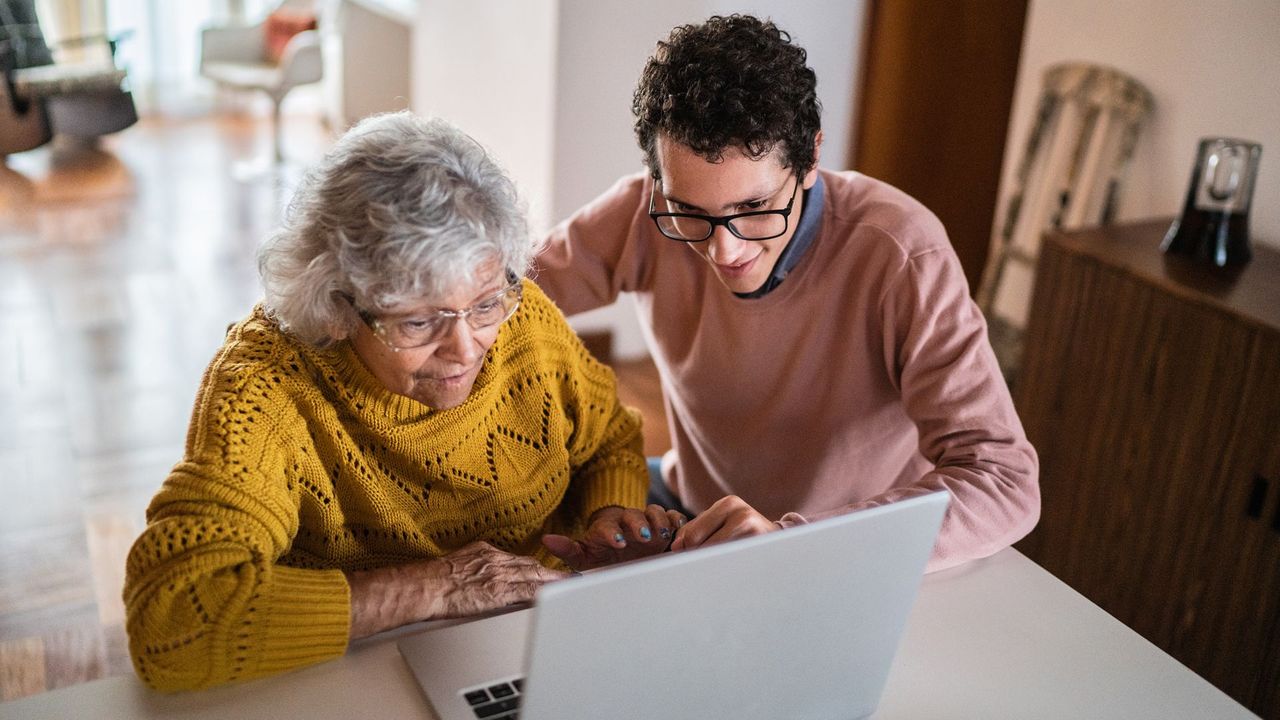
At Mary’s Center, we believe that community engagement and intergenerational connections are essential to promoting health and well-being. Our “Eat Well, Live Better!”, Senior Nutrition Program, exemplifies this philosophy, especially through the invaluable support of student volunteers from George Washington University. Their involvement has not only expanded our reach but also enriched the lives of our senior participants and future public health professionals alike.
Since its launch in September 2020, the program has aimed to go beyond simple food delivery by fostering a holistic approach to senior health. We deliver fresh produce, offer nutrition education, provide personalized counseling, and—perhaps most importantly—cultivate social connections that combat loneliness and isolation among seniors in Washington, DC. Recognizing that social engagement is as vital as physical health, we make a concerted effort to ensure our participants feel seen, heard, and cared for.
This is where GW student volunteers have made a remarkable impact. Since 2022, students have supported our outreach efforts by making check-in calls to over 750 seniors—many of whom are homebound, without family nearby, or simply craving human connection. These calls serve as more than just wellness check-ins; they are moments of genuine connection. The students learn to listen actively, develop confidence in verbal communication, and understand the importance of building trust with community members—an essential skill in public health.
The intergenerational interactions fostered through these conversations have profound benefits. For seniors, they can improve cognitive health, reduce feelings of depression, and even promote longevity. For students, engaging with older adults offers a window into lived experiences and community realities that no textbook can provide. Hearing firsthand about the challenges, resilience, and needs of seniors transforms students’ perspectives and informs their future career in public health.
Beyond phone check-ins, GW students have contributed creatively to the program in various ways. Some have developed health classes based on their medical backgrounds, which seniors eagerly attend and engage with. Others have initiated newsletters sharing nutrition tips, or organized craft sessions to introduce seniors to new hobbies. Bilingual students, like Ruby, have made sure Spanish-speaking participants receive culturally and linguistically appropriate resources, strengthening inclusivity and accessibility.
The partnership with GW students exemplifies how volunteers can serve as catalysts for community-centered health initiatives. They gain invaluable skills—communication, leadership, empathy—and deepen their understanding of social determinants of health. Meanwhile, our seniors benefit from consistent social contact, tailored education, and a sense of belonging.
Public health is fundamentally about supporting people—individuals and communities. Our collaboration with GW reminds us that meaningful change often starts with simple acts of kindness, listening, and learning. We are grateful for the dedication of our student volunteers and look forward to expanding these partnerships in the future.
In the end, fostering intergenerational relationships and community engagement not only enhances health outcomes but also nurtures the next generation of public health leaders. Together, we can build healthier, more connected communities—one conversation at a time.